Yoni massage is often described as a way to relax and explore your body. This article looks at common massage guidance, the cultural meaning of Yoni, and what medical sources can—and cannot—confirm.
Health note: This article is for general information. It does not replace medical advice, diagnosis, or treatment.
Yoni massage is often described as a way to slow down, pay attention to your body, and spend private time with yourself. Some guides also present it as a way to explore pleasure or release emotions.
These descriptions may reflect personal experiences or cultural beliefs. When discussing health, however, it’s important to distinguish personal experience from medical evidence. Massage may feel relaxing for some people, but that does not mean it has been proven to balance hormones, treat pelvic pain, or release trauma.
This article compares Beducated’s guide to vaginal massage with Massage Yoni Hanoi’s explanation of Yoni. It aims to preserve the values of body awareness and self-respect while keeping health claims within clear limits.
How do the two articles approach Yoni massage?
Beducated focuses on personal experience: preparing a private space, breathing, beginning with less sensitive areas, and exploring touch at your own pace. It is a guide to self-touch and body awareness.
Massage Yoni Hanoi’s article, “What Is Yoni?”, takes a broader approach, connecting Yoni with symbolism, femininity, and holistic self-care. This can help open up conversations about private topics that many people find difficult to discuss.
Both approaches should be understood in context. Beducated offers guidance for personal and sexual exploration; it is not a medical treatment plan. Descriptions of Yoni as an “energy gateway” or a symbol of femininity are cultural or spiritual perspectives, not anatomical explanations.
Yoni is a cultural concept; the vulva and vagina are anatomical terms
“Yoni” is a Sanskrit word used in some Indian traditions and in Tantra as a symbol. Today, it is also used in discussions about intimate care, sexuality, and connection with the body.
In medical language:
- The vulva is the external part of the genitals.
- The vagina is the muscular canal inside the body, connecting the vaginal opening to the cervix.
When an article gives Yoni massage instructions, it should make clear whether a step involves external touch or inserting a finger. Clear language helps readers understand what they are doing and choose their own boundaries.
Massage Yoni Hanoi’s article describes Yoni through ideas such as life and femininity. These ideas can be presented as cultural or philosophical perspectives. However, claims that the genitals “store emotions,” that massage “releases blocked energy,” or that it “balances hormones” should not be presented as established medical facts without reliable evidence. Massage Yoni Hanoi: What Is Yoni?
What can be useful in Beducated’s guide?
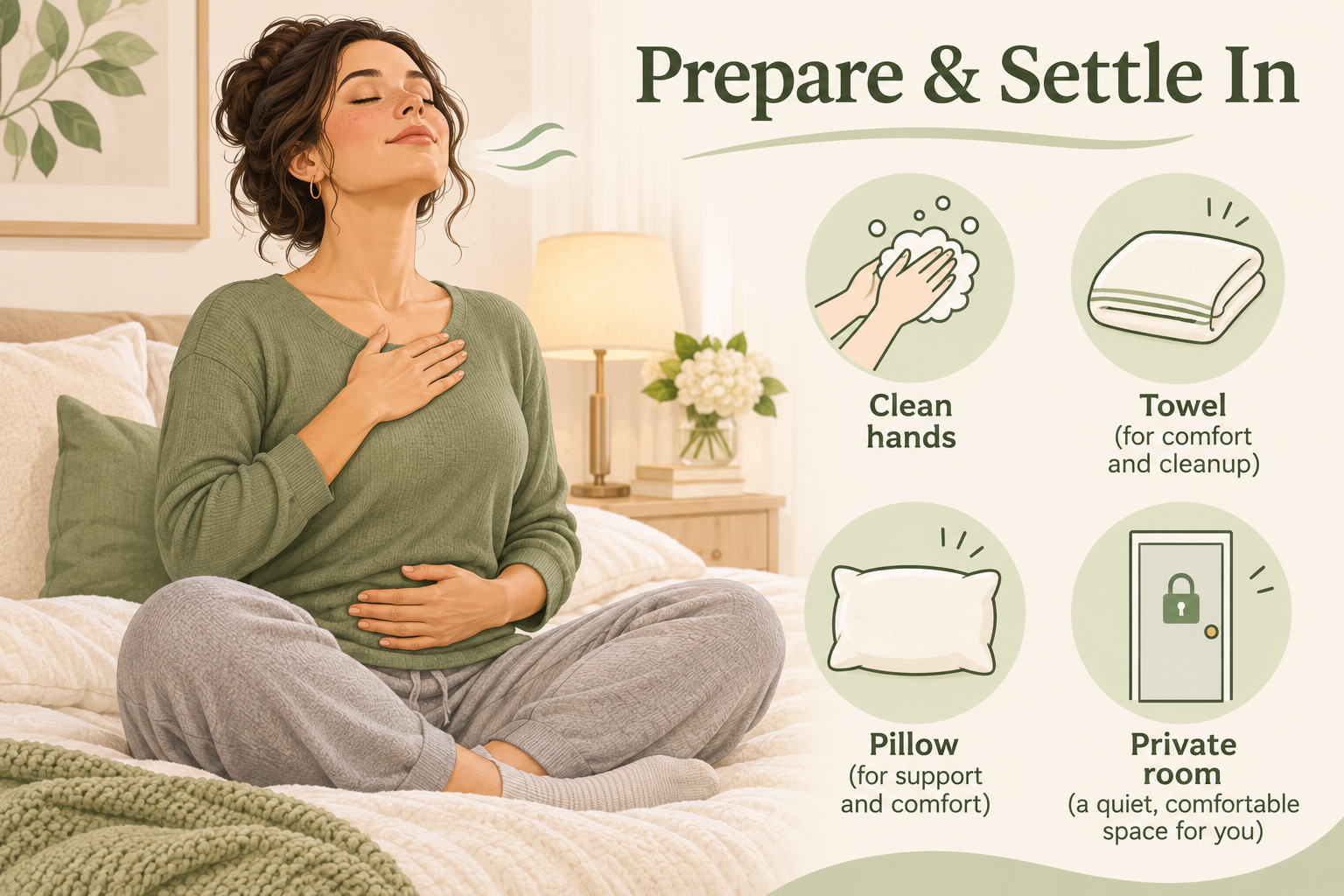
Beducated offers practical suggestions that may help someone feel prepared: choose a private space, wash your hands, keep your nails short, begin with breathing, and avoid setting orgasm as a goal. The article also encourages readers to start slowly and pay attention to their own sensations. Beducated: Vaginal Massage
These ideas can support a more intentional personal experience. A simple approach might be:
- Choose a private space and a comfortable position.
- Wash your hands and keep your nails short and smooth.
- Begin with a few slow breaths.
- If you wish, gently massage your lower abdomen, hips, and inner thighs.
- Touch the vulva only if you feel ready.
- Stop if you feel pain, burning, itching, or discomfort.
You can stop at external massage. Inserting a finger into the vagina is not required, and it is not a measure of whether the massage was “successful.”
Personal experience is not the same as medical treatment
Some people may feel relaxed or become more aware of the types of touch they enjoy. These are personal experiences, and people can respond differently. It would not be accurate to promise that Yoni massage will help everyone sleep better, increase desire, ease menstrual cramps, or achieve orgasm.
It is also important to be careful with the idea that the genitals “hold” memories or trauma in a way that massage can release. Someone may feel emotional while relaxing or touching their body; that feeling is real, but it does not by itself prove that trauma has been healed or that a physical “knot” has been released.
If a touch brings up fear, tension, or a sense of being unsafe, stop and switch to something that feels grounding. If those feelings persist or affect your daily life, a mental health professional may be able to help.

Relaxation massage is different from pelvic floor physical therapy
The pelvic floor is a group of muscles and tissues that support the pelvic organs. If you have pelvic pain, pain during sex, difficulty urinating, or trouble controlling urination, self-massage alone cannot identify the cause.
Pelvic floor physical therapy is a form of professional care. A therapist may assess your muscles, discuss your symptoms, and create a plan suited to your needs. Depending on the person, care may include exercises, relaxation guidance, or hands-on techniques. Johns Hopkins Medicine: Pelvic Floor Therapy
This is different from a massage at home for relaxation or personal exploration. If you’re trying to address pain, muscle tightening, or difficulty inserting a tampon or finger, speak with a doctor or pelvic floor therapist instead of pressing deeply or trying to massage through pain.
Lubricant and hygiene: keep it simple
If you need lubricant, choose one made for intimate use. Stop using it if it causes irritation. Some people are sensitive to fragrances or warming and cooling ingredients. If you use latex condoms, avoid oil-based lubricants because oil can reduce their effectiveness. ACOG: Experiencing Vaginal Dryness
You do not need to douche before or after massage. ACOG advises against douching and scented products around the vulva. If you want to wash, gently clean the external area; don’t put cleansing products inside the vagina. ACOG: Vulvovaginal Health
When should you stop and seek medical advice?
Postpone intimate massage if you have pain, itching, burning, swelling, blisters, or sores. A noticeable change in vaginal discharge, fever, pelvic pain, or lower abdominal pain should also be assessed by a healthcare professional rather than treated with massage. MedlinePlus: Vaginal Itching and Discharge
If you are pregnant, have recently given birth, have had pelvic surgery, or are healing from stitches, ask your doctor or midwife before doing internal massage. Perineal massage during pregnancy is a separate practice with specific guidance. Cambridge University Hospitals NHS: Antenatal Perineal Massage
Massage Yoni Hanoi’s perspective: respect the body and be clear about limits
Seeing Yoni as a symbol worthy of respect can encourage women to pay more attention to their bodies, preferences, and boundaries. For a massage at home, that can begin with simple choices: whether to massage, where to touch, how much pressure to use, and when to stop.
To make health content trustworthy, it’s important to distinguish cultural perspectives, personal experiences, and medical information. Avoid turning one person’s testimonial into a promise of results for everyone. Avoid presenting Yoni massage as a treatment for infections, pelvic pain, hormonal conditions, or psychological trauma.
In short: Yoni massage can be approached as a form of self-care and personal exploration when it is voluntary, comfortable, and guided by your own boundaries. It should not hurt, internal touch is not required, and massage does not replace medical care when symptoms are present.
References

Over 6 years researching somatic psychology, pelvic wellness, and consent-driven protocols for women in Hanoi.