Visiting Hanoi? Learn how to choose a safe Yoni or Tantric massage, what to ask before booking, and explore alternative wellness activities such as yoga and sound baths.
Safe Yoni Massage in Hanoi: A Female Traveler’s Guide to Tantric Massage and Alternative Wellness
Quick answer: If you are looking for a safe Yoni or Tantric massage in Hanoi, choose a provider that explains the service before you book, shares its prices and session boundaries, answers questions clearly, and lets you change or stop the session at any time. Yoni massage is a personal relaxation experience, not a medical treatment. If you prefer a non-touch option, Hanoi also has wellness activities such as yoga, meditation, and sound baths.
Hanoi offers many ways to slow down between sightseeing, street food, and busy travel days. Some visitors book a conventional massage or spa ritual. Others look for a more personal form of bodywork, including Yoni massage or a service described as Tantric. And some travelers would rather try a group yoga class, meditation session, or sound bath.
These options can sound similar online, but they are not interchangeable. A responsible guide should explain what each experience involves, how to assess a provider, and what a traveler can ask before booking. This article brings together those questions so women visiting Hanoi can make an informed choice that fits their comfort level.
What is Yoni massage, and what does “Tantric massage” mean?
“Yoni” is a Sanskrit term often used in wellness settings to refer to the vulva or female reproductive area. In a spa context, Yoni massage usually describes a relaxation-focused bodywork session that may include broader body massage and, only where explicitly offered and agreed, touch around the pelvic area. The term is used differently by different providers, so the name alone does not tell you what a session includes.
“Tantric massage” is also used in different ways. Some providers use the word to describe a slow, mindful style of massage that may include breathing, attention to sensation, or a meditative setting. Others may use it as a broad marketing label. Ask the provider to describe the actual session in plain language rather than relying on the word “Tantric” to define it.
A provider should be able to explain the proposed service before you arrive. You should know which areas may be included, which areas will be excluded, how much clothing or covering is involved, and whether any intimate or sensitive-area touch is part of the service. You can decline any part of the session, request an alternative, or choose a different type of massage.
Yoni massage should not be presented as a substitute for medical care, pelvic-floor physiotherapy, psychotherapy, or treatment for a health condition. A relaxation service cannot guarantee hormonal changes, trauma recovery, improved fertility, or a cure for pain. Individual experiences vary, and a provider should say so clearly. The existing Yoni massage overview and service-scope guide explains the distinction between a relaxation service and medical treatment.
How to choose a safe Yoni spa in Hanoi as a female traveler
When comparing providers, look for practical information rather than broad promises. The word “safe” cannot guarantee what will happen at every appointment, but a transparent provider makes it easier to understand the service and decide whether you feel comfortable booking.
Before you choose, check whether the spa:
- Describes the service and its limits in clear, non-evasive language.
- Gives you a way to ask questions before booking.
- Explains how consent and boundaries are discussed.
- States the session duration and full price, including any travel or extra fees.
- Lets you request adjustments, decline techniques, or stop the session.
- Shares its address or explains where an outcall appointment will take place.
- Offers practical information about cancellation, payment, and contacting the provider.
- Can explain the practitioner’s experience and relevant training without relying only on vague claims.
Professional massage guidance emphasizes informing clients about the process, respecting their right to ask questions, and allowing them to adjust or stop a session. The American Massage Therapy Association’s guide to a massage session describes these expectations for massage appointments. It is a useful general reference for questions to ask, though it is not a Vietnam-specific certification or a guarantee about a particular spa.
If a provider avoids explaining the service, changes the quoted price without a clear reason, pressures you into a treatment you did not request, or treats your questions as a problem, you can choose not to book. You do not need to justify changing your mind. A good booking experience should begin with communication that feels clear and respectful.

Questions to ask before booking a Tantric massage in Hanoi
A short conversation before booking can clear up the most important details. You can ask these questions by message, email, or phone:
- What exactly happens during the session?
Ask for a simple description of the steps, not just a package name. - Which areas of the body are included or excluded?
If the session involves sensitive areas, ask how the provider confirms your agreement before any touch. - What will I wear, and how is privacy handled?
Ask whether you may remain clothed or choose your preferred level of coverage. - How do I communicate if I want an adjustment or want to stop?
Agree on simple words or signals before the session begins. - What is the total price and session length?
Clarify whether the stated duration refers to hands-on treatment time or includes consultation and preparation. - Who will perform the session, and can I ask about their experience?
Request factual information about training and the practitioner’s role. - What happens if I change my mind or need to reschedule?
Understand the cancellation terms before confirming. - For an outcall, what address will the practitioner visit and what do they bring?
Confirm the location, arrival details, and what is included in the quoted fee.
A provider may have its own consent routine. For example, the Hanoi service information describes a pre-session intake and a Red–Yellow–Green communication method: Green means continue as agreed, Yellow means adjust or pause, and Red means stop. These details are specific to that provider; they are not a universal standard. If you book elsewhere, ask that provider how it handles consent and boundaries.
What to expect from a Yoni or Tantric massage appointment
The exact experience depends on the provider and the session you select. At minimum, a responsible appointment should include time to discuss your preferences before hands-on treatment begins. Use that conversation to explain what you do and do not want, including areas to avoid, preferred pressure, communication needs, and any sensitivities that could affect your comfort.
You can ask the practitioner to explain the sequence before you get ready. You may also ask what covering or draping will be used, whether you can remain clothed, and what happens if you feel uncomfortable. You should not feel obliged to agree to a technique just because it appears in a service description.
During the session, you can request a change in pressure, ask for a pause, or stop. Consent is specific to the activity you have agreed to and can be withdrawn. If you are not sure how to explain a preference in English, write down a short message in advance, such as: “Please avoid this area,” “Use lighter pressure,” or “Please stop now.”
After a session, give yourself time to get dressed, drink water if you wish, and decide how you feel. There is no required emotional response and no particular outcome you need to experience. A massage appointment is not a test, and you do not need to continue if the service no longer feels right for you.
Private spa appointment or hotel outcall: how to compare the options
Some visitors prefer to travel to a dedicated spa. Others may find an in-room appointment more convenient after a long day. Neither option is automatically right for everyone; compare the arrangements and choose what gives you the clearest information and the most comfortable setting.
A spa appointment lets you visit the provider’s stated premises. Before booking, check the address, confirm that it matches the provider’s current information, and understand where the appointment will take place. If you want to know about the room, ask whether it is private and how you can secure your belongings.
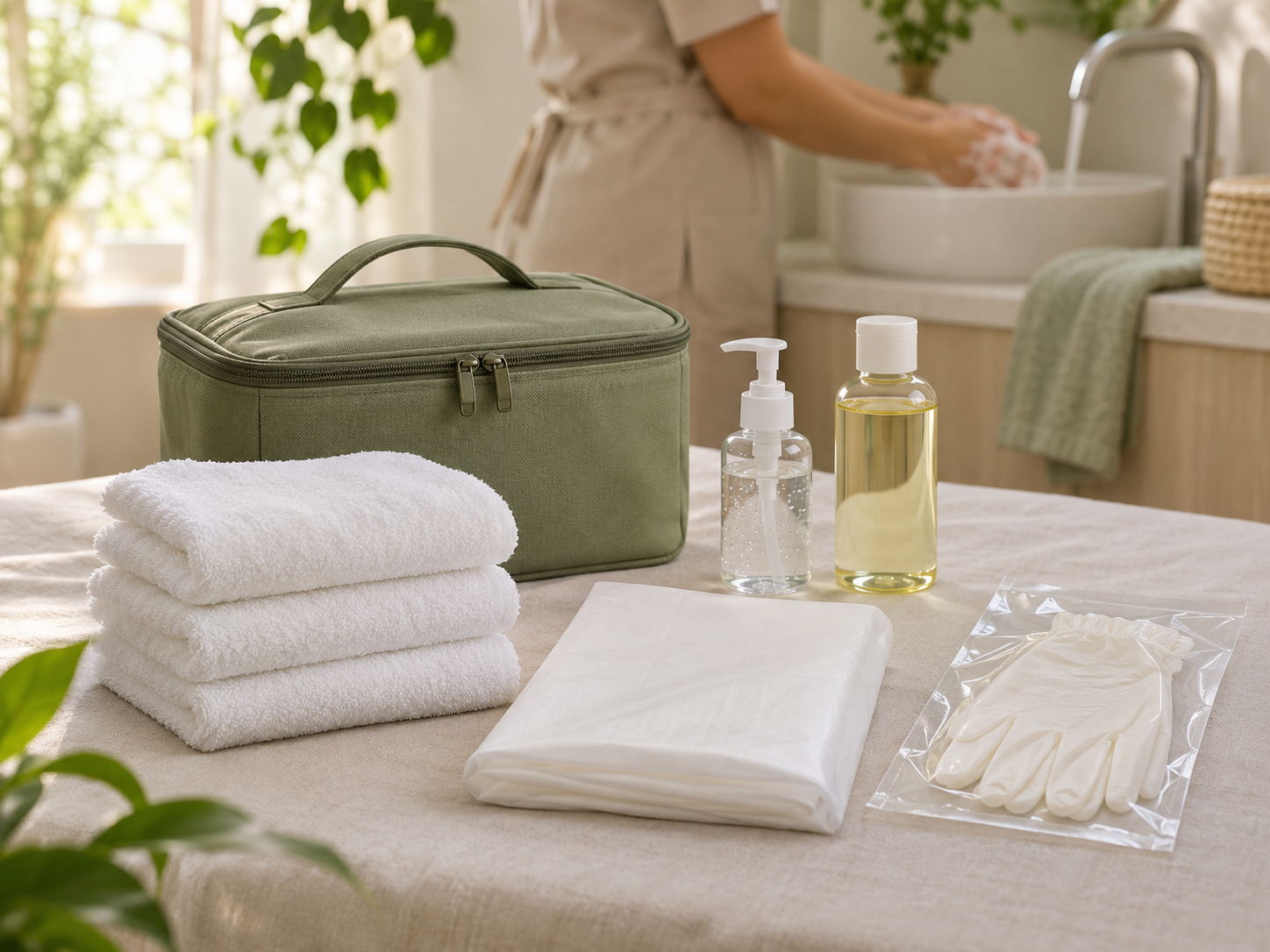
An outcall appointment takes place at a hotel, apartment, or other agreed location. Confirm the practitioner’s identity and arrival time through the provider’s official contact channel. Tell the hotel or host that you are expecting a visitor if that is part of your normal guest-safety routine. Keep your phone accessible and make sure the address and room details are correct.
The provider’s published information for Yoni Massage Hanoi lists an in-spa option at A2, Alley 45 Chua Boc Street, Dong Da, as well as hotel and home outcalls. Its service page currently describes 60-, 90-, and 120-minute packages, with different listed prices and session details. Check the live pages directly before booking because prices, availability, and operating arrangements can change.
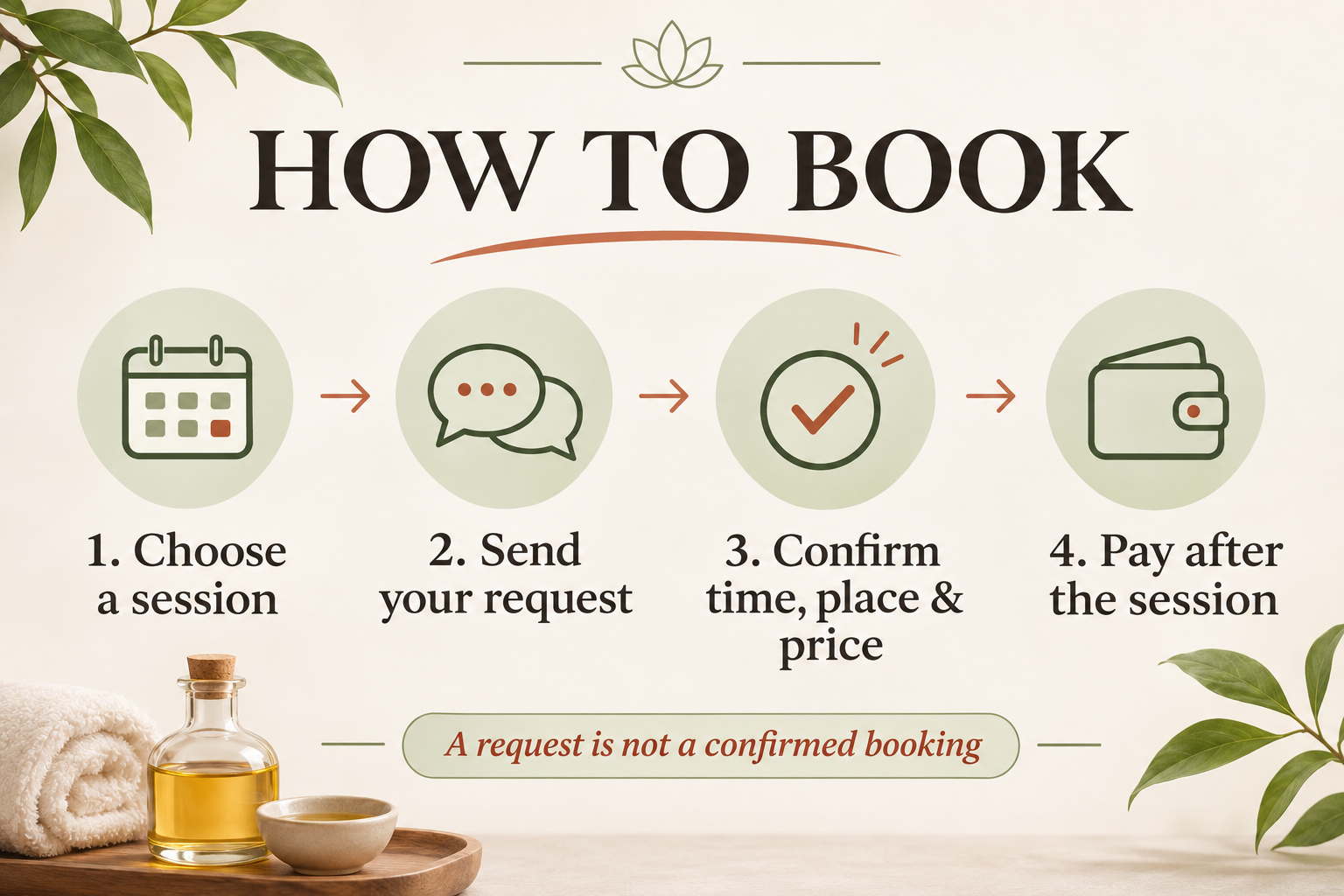
The same pages describe a tip-free policy and a pre-session intake. Treat these as provider-specific booking details to confirm, not assumptions about other spas in Hanoi. Before confirming any appointment, ask for the total cost, payment method, expected treatment time, and applicable cancellation terms in writing.
What does “best Tantric massage in Hanoi” mean?
People searching for the best Tantric massage in Hanoi may be looking for different things. One traveler may prioritize clear communication in English. Another may want a private room, an outcall option, a female practitioner, a particular session length, or a transparent price. “Best” is personal, so a useful comparison starts by deciding what matters most to you.
Use a short checklist:
- Does the provider explain the service without confusing or exaggerated claims?
- Is the price easy to understand before the appointment?
- Can you ask about the practitioner and their experience?
- Are consent, boundaries, privacy, and stopping clearly discussed?
- Does the provider explain the session length and what it includes?
- Is the location or outcall arrangement clear?
- Are your questions answered without pressure?
- Does the service match what you are actually looking for?
If you are comparing different spas, compare the same information for each one. A page that says “premium,” “healing,” or “best in Hanoi” is not enough to establish that it will be the right experience for you. Look for details you can verify and decide based on your own preferences.
For a spa’s own website, it is more credible to explain its procedures and service scope than to claim an unsupported citywide ranking. A provider may describe what it offers and who it is designed for, while leaving readers free to compare alternatives.
Alternative wellness activities in Hanoi if you prefer non-intimate options
Yoni or Tantric massage is only one kind of wellness activity. If you would prefer not to book a private bodywork session, Hanoi has other ways to take a break.
Yoga classes can suit visitors who want movement, stretching, or a guided practice. Check the level, language of instruction, equipment, and class time before traveling to a studio. Yoga Lab Hanoi, for example, lists a range of classes and workshops, including Yin Yoga and sound meditation offerings. Class schedules can change, so check the studio’s current timetable before setting out.
Sound baths and guided meditation are options for people looking for a quieter group experience. Some sessions invite participants to lie down and listen to instruments such as singing bowls or gongs. Ask whether the session is guided, how long it lasts, what to bring, and whether there are any sound or mobility considerations. Sound Healing Hanoi publishes sound-healing and yoga activities; check its current schedule directly because availability may change.
Conventional spa treatments may include foot massage, head spa rituals, aromatherapy, or a body massage that excludes intimate areas. When booking, specify the treatment you want and any areas you prefer the practitioner to avoid. A clear service menu helps you select an appointment that matches your comfort level.
A self-guided wellness break can be simpler still: visit a quiet café, take a walk around a lake, or set aside time to rest at your accommodation. You do not need to book a treatment to make room for recovery during a busy trip.
These activities serve different preferences. A class is not the same as a private massage; a sound bath is not a clinical treatment; and a spa service does not need to make medical claims to be a meaningful part of a trip. Choose the format that feels right for you.
Travel and booking considerations for visitors to Hanoi
Plan the appointment around your travel day and location. Hanoi traffic can affect journey times, so confirm the venue or outcall address and allow enough time to arrive without rushing. For a hotel appointment, use the provider’s official booking channel and keep the confirmation details available.
Travel advice can change. The UK government’s Vietnam travel advice includes current information for visitors, including safety and security guidance. Check the advice from your own country as well, especially if your plans or accommodation change.
Keep booking communication simple and factual. Confirm the date, start time, location, total price, session duration, and any preferences you want the provider to know in advance. Avoid sending sensitive personal information that is not necessary for the appointment. If you prefer to use a nickname for an initial inquiry, ask the provider whether that is acceptable.
If you have a health concern, are recovering from an injury, or are unsure whether massage is appropriate for you, consult a qualified health professional. A relaxation provider should not diagnose a condition or suggest that a massage replaces medical advice.
Frequently asked questions
Is Yoni massage safe for female travelers in Vietnam?
No article can guarantee the safety of a particular appointment. Before booking, review the service scope, price, location, privacy arrangements, consent process, and cancellation terms. Ask questions and book only if the answers are clear and you feel comfortable. You can decline any technique or stop the session.
Is Tantric massage in Hanoi a medical treatment?
A service described as Tantric or Yoni massage should not be assumed to be medical care. Ask the provider what the session includes and whether it is relaxation-focused. Do not rely on promises to cure a health condition, treat trauma, or produce a guaranteed physical outcome.
What should I ask before booking Yoni massage in Hanoi?
Ask what happens during the session, which areas are included or excluded, how privacy and covering are handled, how you can request a pause or stop, who will perform the session, and what the full price includes. For an outcall, confirm the address and arrival arrangements.
Can I stop a massage after it has started?
You should be able to communicate that you want to pause, adjust, or stop. Discuss how to signal this before the appointment begins. A provider’s own communication process may vary, so confirm it directly.
Is Yoni massage the same as a regular spa massage?
No. A regular spa massage may focus on areas such as the back, shoulders, head, or feet. “Yoni massage” can refer to a more personal bodywork service and its meaning varies by provider. Ask for a specific explanation before you book.
What are alternatives to Tantric massage in Hanoi?
Visitors can consider a conventional massage, head spa, foot massage, yoga class, meditation session, or sound bath. Check current service details and schedules with the provider before traveling.
How do I find the best Tantric massage in Hanoi for my needs?
Start with your priorities: price, location, language, session length, practitioner information, or a particular consent process. Compare providers using the same criteria, verify the practical details directly, and do not rely on an unsubstantiated “best” claim.
Choose the experience that fits your comfort
A restorative activity in Hanoi should fit your own interests and boundaries. If you are considering Yoni or Tantric massage, look for a clear service description, transparent booking details, and a consent process you understand. If that kind of private bodywork is not for you, yoga, sound baths, meditation, and conventional spa treatments offer other ways to slow down.
Take time to ask questions before you book. Choose an appointment based on the information available, and remember that you can change your mind at any point. For current package details, session descriptions, and booking arrangements, consult the provider’s services page directly.

Over 6 years researching somatic psychology, pelvic wellness, and consent-driven protocols for women in Hanoi.